
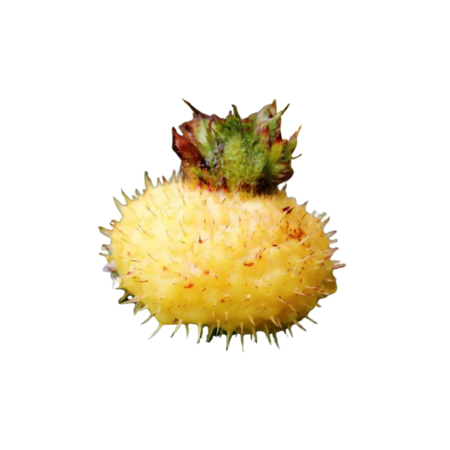
The soul ingredient behind our Chestnut Rose Twist.
This is not a fruit you’re likely familiar with. Its skin is covered in soft spikes, yet its flavor is bright and unmistakable—an invigorating tartness that feels clean and wild. Grown in the karst mountains of Guizhou in southwest China, this resilient rose fruit transforms a rugged landscape into a vivid, high-impact ingredient with a uniquely concentrated taste.
In China, it’s often nicknamed the “Vitamin C King”—a popular way of emphasizing its naturally high vitamin C content. And that’s exactly why this once-foraged mountain fruit is now stepping beyond local tradition, into modern ways of drinking and enjoying it around the world—especially in tea.
01 Meet Guizhou Chestnut Rose: Wild on the Outside, Abundant Within
Its botanical name is Rosa roxburghii (family Rosaceae). The most obvious feature is its spiky surface—unfriendly at first glance, and the reason it stands out from typical “pretty” fruits. But beneath that rugged exterior is golden flesh, a distinct tart-fruity aroma, and nutritional richness that has earned it a loyal following.
- Built for harsh terrain: Native to southwest China, it tolerates poorer soils and drier conditions, with strong roots that anchor it on mountain slopes.
- A flavor with attitude: The signature is tartness—bright, direct, and refreshing—often with a gentle wild-fruit astringency and a clean finish (not the candy-like sweetness of flavored drinks).
In short: this isn’t a “crowd-pleasing” fruit. It tastes like the mountains it comes from.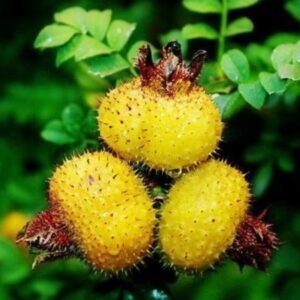
02 From Guizhou’s Karst Mountains: Where Place Shapes Flavor
Guizhou’s karst landscape—rocky slopes, thinner soils, fast drainage, and complex microclimates—creates a distinctive growing environment. In places like this, a plant that can root, thrive, and fruit consistently becomes not only a local specialty, but also a meaningful part of sustainable mountain agriculture.
- Strong ecological adaptability: Well-suited to slopes and rocky ground where stable vegetation matters.
- Modern formats, global routines: Today the fruit appears in many forms—purees, concentrates, freeze-dried powders, sparkling drinks, and snacks.
- Truly “place-based”: Flavor and quality are closely tied to origin, harvest timing, and processing choices (especially heat and time), which shape aroma and taste.
This is not just a fruit story—it’s a pathway that turns mountain resources into modern daily rituals.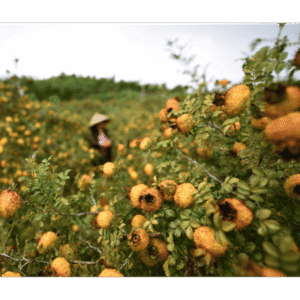
03 Nutrition and the “Vitamin C King” Nickname: A High-Density Profile
The fruit is most often recognized for one standout trait: its high vitamin C content—frequently described as higher than many common fruits (actual levels vary by origin, ripeness, and processing).
Beyond vitamin C, it’s also commonly discussed as containing a range of plant compounds (such as flavonoids and polyphenols), which is part of what makes it feel like a whole-food ingredient rather than a single-nutrient trend.
For many people, choosing it isn’t about instant results—it’s about adding something clean, distinctive, and easy to keep in rotation as part of everyday food and drink choices.
Gentle note: Nutrient levels naturally vary by batch and processing. Foods and drinks support daily wellbeing, but they do not replace a balanced diet or medical advice.
04 Enjoy It Today:A Smoother, More Everyday Way to Drink It
Chestnut Rose Twist has a bright, tangy fruit aroma—that’s its character, not a flaw. If the tartness feels a bit “wake-up” on your first try, here are easy, everyday ways to make it rounder and more approachable:
-
Make a sparkling refresher: Use your brewed tea as the base, then add sparkling water and something icy. The fruit-tart profile becomes cleaner and more refreshing—great for afternoons.
-
Go for a gentler “rounded” cup: Add a small touch of honey or sugar—just enough to soften the sharp edges, not to cover the tea aroma.
-
Pair with food for balance: Yogurt, oats, nuts, or simple biscuits tend to make the overall taste feel smoother and more balanced.
-
Make it shareable and effortless: One tea-fruit naturally evolves as you top up water over time. Set it on the table and sip casually—no overthinking needed.
Tip: If you’re new to Rosa roxburghii-style tartness, start with the “gentler” version or the sparkling refresher. It’s the easiest way in.
05 Why It Works So Well in Chestnut Rose Twist: A “Tea-Fruit” Craft that Makes Tartness More Drinkable
The fruit’s magic is its bright, unmistakable aroma and tart character. But as a straight fruit drink, its sharp edges can feel intense to some people. Chestnut Rose Twist brings that wild brightness into a more layered, more drinkable cup: black tea’s natural sweetness and depth “holds” the tartness, keeping the fruit note clear without feeling harsh or thin.
More importantly, Chestnut Rose Twist uses a craft method with real ceremony—inspired by Ganpu tea (a traditional style where tea is packed into hollowed citrus peel). This isn’t simply “fruit-flavored black tea.” It’s a whole dried fruit shell filled with premium black tea, forming a true tea-fruit structure.
Key steps (how the flavor is built):
- Fruit preparation: Select evenly sized fruit. Each one is hand-punched and cored while keeping the shell intact, then washed, dried, and sanitized.
- Tea filling: Premium black tea is carefully packed into the prepared fruit shell for close contact between tea and fruit.
- Slow low-temperature roasting (the core): The filled tea-fruit is gently roasted for an extended period (e.g., 30+ hours) at low temperature, allowing fruit aroma and tea depth to merge—while smoothing out the sharper astringency.
- Finished profile: Brewed in hot water, the cup becomes more dimensional and structured—you’ll notice bright fruit acidity, sweet black-tea warmth, and a subtle creamy, milk-like softness in the after-notes (a natural aromatic impression from the tea base and slow-roasting—never artificial flavoring).
The value of Chestnut Rose Twist isn’t in complicated gimmicks—it’s in time. Time brings the flavors into harmony, gathering the fruit’s wild brightness into a cup of black tea that’s smoother, fuller, and easier to return to.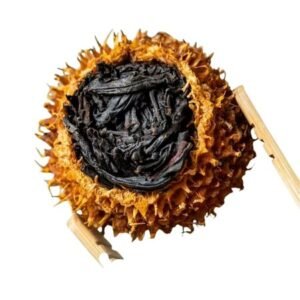

06 Water Temperature & Vitamin C: Choose by Your Goal (Flavor vs. Retention)
Vitamin C (ascorbic acid) is relatively heat-sensitive—generally speaking, higher temperatures and longer heat exposure may reduce it.
At the same time, hotter water extracts more aroma and depth from both the black tea and the fruit shell, giving you a fuller fragrance and a richer, more layered cup.
That’s why Chestnut Rose Twist isn’t about trying to match “fresh fruit vitamin C” in a one-to-one way. The heart of this tea is its integrated fruit-and-tea flavor and an easy daily drinking experience. A simple way to choose is:
-
If you care most about a deeper, fuller cup with stronger tea aroma: lean toward a higher-temperature approach.
-
If you prefer a gentler, more balanced experience while keeping some vitamin C in mind: a milder-temperature approach will feel more suitable.
For exact amounts and steps, simply follow the Recommended Brewing Method below (that section is your “copy-and-brew” guide).
Recommended Brewing Method
-
Amount: 1 piece per cup
Teaware: Glass cup / glass teapot / gaiwan
Water temperature: 80–85°C (176–185°F) (best balance of vitamin C retention and taste; higher temperatures may reduce vitamin C)
Water amount: About 200-250 ml per piece
Steep: 3–5 minutes (adjust to taste; longer steeping gives a stronger cup)
Re-steep: Refill with hot water 2–3 times (extend the steeping time for each refill if needed)Serving ideas: Optional—add a small amount of honey or sugar (start minimal so it doesn’t cover the tea).
Other Ways to Brew (Optional)
Iced / chilled: Brew hot first for 2–3 minutes, let it cool, then add ice.
Cold brew: 1 piece + ~400 ml cold water. Refrigerate 6–8 hours, then enjoy.
Tip: Prefer a stronger taste? Use less water or a longer steep. Too strong? Add water to dilute.


07 One Golden Fruit, Bridging Guizhou’s Mountains and the World’s Daily Rituals
This fruit’s journey goes beyond fruit. It’s a story of mountain resilience, place-based flavor, and modern ways of enjoying nature with less fuss. In a fast life, Chestnut Rose Twist doesn’t ask you to “do wellness perfectly”—it simply brings together the clarity of wild tart fruit and the warmth of black tea, in a form you can brew every day.
Ready to experience Guizhou’s golden mountain fruit—twisted into a tea you’ll actually want to keep drinking?
In the comments, tell us: do you prefer the bold richness at 95°C, or the cleaner, gentler cup at 80–85°C?
Note
This product is a tea-and-dried-fruit ingredient (not seeds) and is not intended for planting. We do not make any medical claims. If you are pregnant or breastfeeding, taking medication, or have a medical condition, please consult a healthcare professional before use. If you are sensitive to acidity or have a sensitive stomach, start with a smaller amount and a lighter brew.