
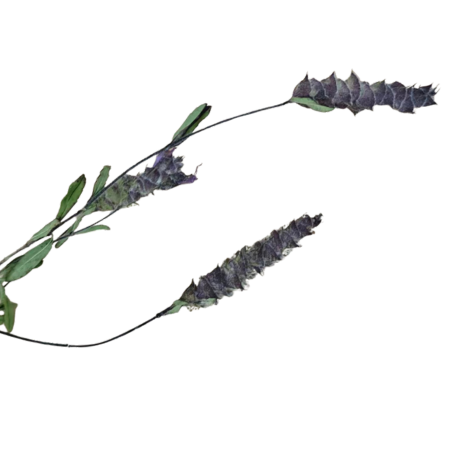
This isn’t the tea leaf you know. From the high mountains of Yunnan, it’s a long-used herbal “tea substitute” with a clean, distinctive natural fragrance. Brewed, it tastes light and transparent—and it’s naturally caffeine-free, offering a purer option for anyone looking to reduce caffeine and slow down.
As more people become cautious about caffeine, a very niche herbal drink from Yunnan is being rediscovered. Locally it’s often referred to as Xiao Shan Cha—but it’s not Camellia sinensis tea at all. It’s a whole-herb tisane made from Dongzisu (Elsholtzia bodinieri). Our product is called Dongzisu Sprig. Its signature is simple: caffeine-free + an intense, clean herbal aroma.
What’s special is that it’s not a trendy, everywhere-available herb. Dongzisu Sprig has never been widely distributed—it’s more like a local Yunnan specialty that appears only through limited, specific channels.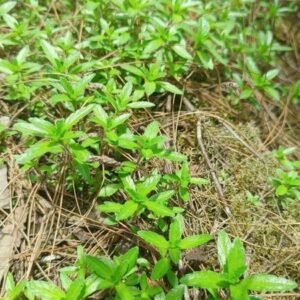
01 Reintroducing It: A Herb That’s Called “Tea”
First, one key point: Dongzisu Sprig is not a Camellia sinensis tea (not pu’er, green tea, etc.). It’s a drinkable aromatic herb used as a whole-plant tisane.
Its botanical name is Elsholtzia bodinieri. In Yunnan, it’s also known as Fengwei Tea, Wild Mountain Tea, or Xiao Xiang Tea. A common practice is harvesting the whole herb in autumn, sun-drying it, and then brewing it. It feels “tea-like” because it’s enjoyed the way people drink tea—but it’s not made from tea leaves; it’s brewed from the whole herb.
Flavor profile
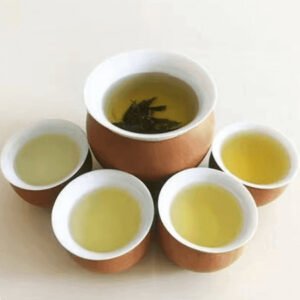
Even dry, it releases a clear herbal scent—bright, with a natural spicy-fresh lift and a cool edge. In the cup, it drinks clean and light: slightly “spicy” at first sip, then a gentle sweetness and a cooling aftertaste. The overall impression is clear, airy, and not heavy.
Traditional drinking context (shared as cultural information)
In Yunnan folk tradition, this herb has long been used as a tea substitute and appears in local herbal references. You can think of it as an “herb-as-tea” lifestyle—simple, daily, and centered on aroma and a light, refreshing mouthfeel.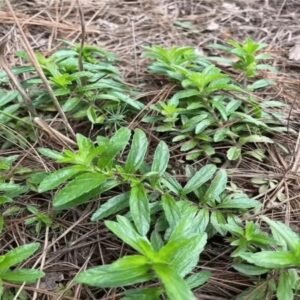
02 From Yunnan’s High Mountains: A Niche, Scarce, Wild Herb
The character of Dongzisu Sprig comes from Yunnan’s mountain ecosystem—but more importantly, its scarcity isn’t manufactured. It’s simply what it is: niche, wild, and limited in quantity.
Where it grows
It usually grows in Yunnan’s mountain and higher-elevation ecological zones—on grassy slopes, under pinewoods, and among shrubs in more natural environments. With crisp air, noticeable day-night temperature shifts, and rich vegetation, these conditions help develop a fragrance that’s layered, clear, and penetrating.
Why it’s rare
Dongzisu Sprig isn’t a standardized mass crop—it’s a “mountain herb specialty”:
- Wild resource, harvested by foraging
- A concentrated harvest window—miss the season and it’s gone
- More traditional processing (mainly sun-drying), no assembly-line scale, and very limited market circulation
So for most people, Dongzisu Sprig isn’t something you “run into” while grocery shopping or ordering takeout. Its scarcity comes from natural supply and its niche nature.
Why it fits daily life
In some parts of Yunnan, it’s a true everyday drink: after oily or strongly seasoned foods, a big pot of its clean, slightly spicy aroma helps the mouth feel fresher and the meal feel lighter. This passed-down way of drinking is also why it has become a local herb that “those who know” keep coming back to.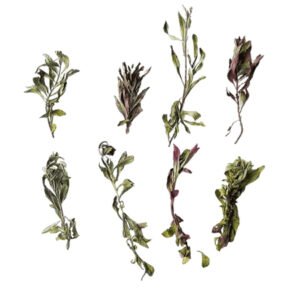
03 Core Strengths: Caffeine-Free + A Highly Recognizable Herbal Aroma
If you’re looking for a drink that doesn’t pull you around by caffeine, Dongzisu Sprig delivers in a very direct way.
1) Naturally caffeine-free
Because it isn’t Camellia sinensis tea but an herbal tisane, it doesn’t carry the typical caffeine “push.” For many people, this means you can enjoy it later in the day or in the evening with a lighter sense of impact.
2) Why Dongzisu Sprig is so aromatic (its biggest selling point)
This isn’t a sweet, perfumey “flavored tea.” It’s a bright, plant-fresh herbal aroma with real lift:
- Like sun-warmed grasses and clean green stems, with a natural spicy-cool edge
- Crisp and uplifting—bring the cup close and the “freshness” is immediate
- Hot brew: more dimensional and expressive
- Cold brew: cleaner, slightly sweeter, softer
- The finish leaves a cool herbal trace that makes the mouth feel lighter and clearer
If you love fresh, herbal profiles (rather than sweet floral-fruit scents), Dongzisu Sprig can be surprisingly addictive—fresh, but never bland.
3) Traditional descriptions, shared safely (cultural context)
In traditional and folk contexts, it’s often described as a “cooling, refreshing” herbal tea substitute, commonly associated with a clean mouthfeel and a “less heavy” feeling after eating. You may also see traditional phrases like “clearing heat” or “draining dampness.”
We share this as cultural context and drinking tradition only, and we do not make medical or therapeutic claims.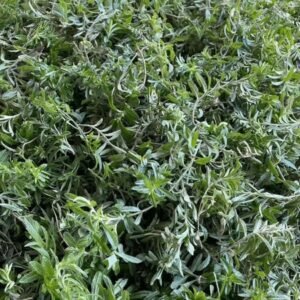
04 How to Drink It: Simple, Pure, Close to the Plant
Recommended Brewing Method
Amount: 1 teabag per cup
Teaware: Glass cup / mug / gaiwan
Water temperature: 90–95°C (194–203°F)
Water amount: About 350–400 ml per bag
Steep: 3–5 minutes (adjust to taste; avoid steeping too long—over-steeping can make the herbal notes stronger and slightly bitter)
Re-steep: Refill 2–3 times (extend the steeping time slightly each round)
Other Ways to Brew (Optional)
Iced / chilled: Brew hot first for 2–3 minutes, let it cool, then add ice.
Cold brew: Add to cold water and refrigerate for 4+ hours.
Tip: Prefer a stronger taste? Use less water or a longer steep. Too strong? Add water to dilute.
05 One Herb, One Cup: A Bridge Between Old Tradition and Modern Calm
Dongzisu Sprig is a story of discovery, continuity, and adaptation: mountain-born herbal clarity, folk “tea substitute” wisdom, and today’s desire for a caffeine-free, lighter daily drink—all meeting in one cup.
It doesn’t require complicated brewing or a lifestyle overhaul. It simply gives you a cleaner, more transparent option—especially for moments when you want to slow down without being pushed by caffeine.
Ready to experience this pure herbal fragrance from Yunnan’s high mountains?
NOTE
Note: This product is a dried herbal ingredient (not seeds) and is not intended for planting. We do not make any medical claims. If you’re trying it for the first time or you’re sensitive to aromatic/spicy herbs, start with a smaller amount and a lighter brew.