
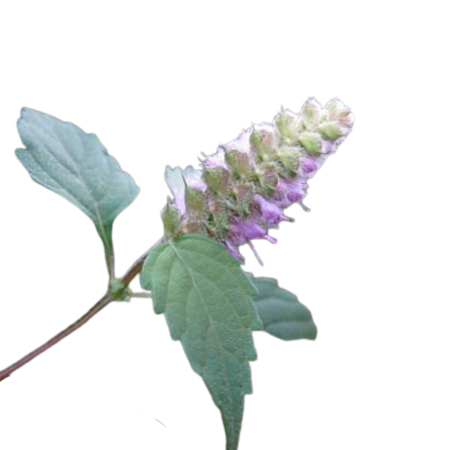
This isn’t tea made from tea leaves. Xiangru is an aromatic herb that appears repeatedly in classical Chinese herbal tradition. It was once nicknamed “summer ephedra”—a way of saying its character felt especially fitting in hot, humid seasons when people were easily “chilled” by wind, fans, or cold drinks. Today, we bring it back as a pure herbal tisane: spicy-aromatic, clean, refreshing, and naturally caffeine-free—for moments when you want something lighter and clearer.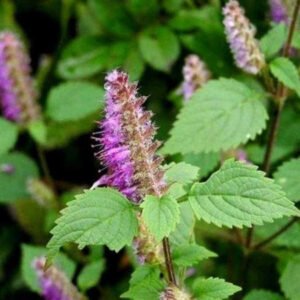
01 Reintroducing It: Not Tea Leaves, but an Aromatic Herbal Tisane
Xiangru is the Chinese name for the herb used in Xiangru Sprig. Botanically, it refers to an aromatic plant in the mint family; in official materia medica, it is commonly sourced from Mosla chinensis Maxim. (the dried aerial parts—stems and leaves). In other words: what you’re drinking is the herb itself—its natural fragrance and taste—rather than fermented tea-leaf “tea aroma.”
Flavor profile
- Dry aroma: crisp, penetrating herbal fragrance with a clear spicy lift
- When brewed hot: the aroma rises quickly from the cup—clean, bright, and “awake”
- On the palate: lightly spicy at first sip, then a gentle sweetness and a cooling aftertaste; never heavy
Simply put: this is an old-fashioned “herb-as-tea” ritual—made for aroma, clarity, and a refreshed feel.
02 Why People Love It: A Clean, Spicy Herbal Lift—Without Caffeine
If you want a drink that’s caffeine-free but still has a clear, unmistakable aroma, Xiangru is wonderfully direct.
1) An aroma you remember immediately
Xiangru doesn’t smell sweet or perfumey. Its fragrance is bright, herbal, and spicy-cool:
- clean and uplifting, with real “lift”
- hot brew: more dimensional and expressive
- cold brew: cleaner, softer, and brighter
- the finish leaves a light cooling herbal trace that makes the mouth feel fresher
2) Moments that pair especially well with Xiangru
Xiangru became beloved in traditional daily life because it “fits” certain seasons and feelings. Many people find it especially enjoyable when:
- the weather feels humid, stuffy, or heavy and you want something clearer
- after sweating, then sitting in wind/fans/AC, you crave a warm, aromatic cup
- rainy, damp days or seasonal shifts leave you feeling less sharp and less “light”
- after rich, oily, or strongly seasoned foods, you want a cleaner finish
- later in the day, you want aroma and comfort without caffeine
These are traditional drinking contexts and sensory descriptions only. They are not medical advice or health claims.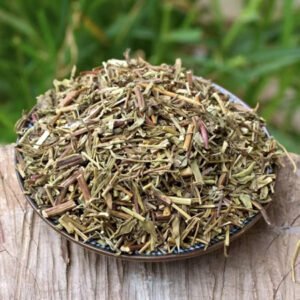
03 Brewing: Simple, Pure, and Aroma-Forward
The key to Xiangru is simple: let the aroma fully release.
Recommended Brewing Method
Amount: 1 teabag per cup
Teaware: Glass cup / mug / gaiwan
Water temperature: 90–95°C (194–203°F)
Water amount: About 350-400 ml per bag
Steep: 3–5 minutes (adjust to taste)
Re-steep: Refill 2–3 times (extend the time slightly each round)
Other Ways to Brew (Optional)
Iced / chilled: Brew hot first for 2–3 minutes, let it cool, then add ice.
Cold brew: 1 bag per 400–500 ml cold water; refrigerate 4+ hours
Tip: Prefer a stronger taste? Use less water or a longer steep. Too strong? Add water to dilute.
04 One Herb, One Cup: Bringing a Thousand-Year Aroma Back to Daily Life
Xiangru doesn’t rely on sweetness or heaviness. Its charm is that clean, penetrating herbal fragrance—an immediate sensory answer when you want to feel clearer and lighter.
Ready to experience this time-traveling herbal aroma?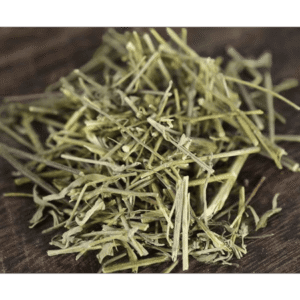
NOTE
Note: This product is a dried herbal ingredient (not seeds) and is not intended for planting. We do not make any medical claims. If you’re trying it for the first time or you’re sensitive to aromatic/spicy herbs, start with a smaller amount and a lighter brew.