
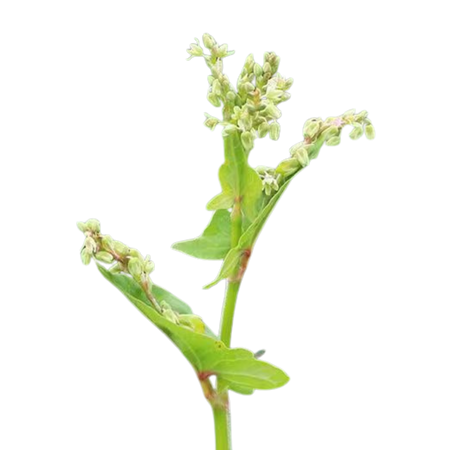
The soul ingredient behind Nutty Tartary Buckwheat: Yunnan roasted tartary buckwheat.
This isn’t tea made from tea leaves—it’s a grain “tea” rooted in everyday highland food culture. Sourced from Yunnan’s plateau regions, whole tartary buckwheat kernels are roasted in their hulls to release a warm, toasty aroma—part golden grain, part roasted nuts—then brewed into a clear, amber-gold cup with a smooth, gentle finish.
In a world leaning toward clean ingredients and lighter daily rituals, Yunnan roasted buckwheat tea is returning to more people’s tables: naturally caffeine-free, minimal and honest (it’s simply buckwheat), comforting to drink—and deeply aromatic.
01 Reintroducing It: A Grain “Tea,” Not Tea Leaves
First, one key point: roasted buckwheat tea isn’t made from Camellia sinensis leaves. It’s a classic tea substitute—a roasted grain infusion.
Its raw material is the kernel of tartary buckwheat. Unlike “tea aroma,” its fragrance comes from the roasting of grains: warm malted notes and a distinct roasted-nut toastiness. Brew it with hot water the same way you would tea—that’s why people call it “tea.”
Flavor profile
A great roasted buckwheat tea is unmistakably aromatic:
- a warm, golden grain note up front
- a clear roasted-nut toastiness in the middle
- a bright golden cup, smooth on the palate, finishing with a gentle natural sweetness
In short: it’s a daily drink that turns a highland staple into aroma—grounded, clean, and comforting.
02 From Yunnan’s Plateau: A Tea-Horse Road Grain Aroma—Powered by Sunlight and Fire
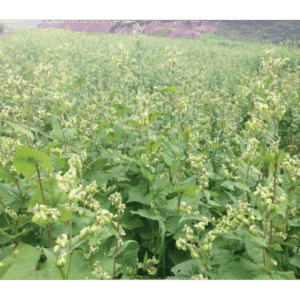
Strong plateau sunlight and day–night temperature swings help grains develop fuller, more concentrated flavor. Yunnan is also one of China’s important buckwheat-producing regions, and its higher elevations and relatively clean growing environment help shape a clear grain aroma and a satisfying, steady cup.
But for roasted buckwheat tea, roasting is the real maker of flavor: the heat determines everything you smell and taste. Push it too far and it turns smoky or bitter; get it right and you’ll find a more refined aroma—warm grain sweetness balanced by roasted-nut depth.
Whole-kernel, hull-on roasting: roasting the aroma into the grain
We use whole kernels roasted in their hulls and control time and temperature for a cleaner, more stable flavor:
- fuller aroma (golden grain + roasted nuts, more dimensional)
- a brighter, smoother cup
- plump kernels after brewing—so you can even “drink and eat” them

03 Core Highlights: Caffeine-Free, Minimal Ingredients, and Naturally Noted for Flavonoids & Rutin
If you want a daily drink that doesn’t rely on caffeine but still feels aromatic and substantial, Nutty Tartary Buckwheat is easy to keep coming back to.
1) Naturally caffeine-free
Buckwheat is a grain, not a tea plant—so it offers a lighter daily ritual. Many people enjoy it in the afternoon or evening, with full aroma and a gentle finish.
2) Flavonoids & rutin: the nutrition “storyline” people associate with buckwheat
One reason tartary buckwheat stands out globally among grain infusions is the frequent discussion around flavonoids and rutin—naturally occurring plant compounds found in buckwheat.
That’s why many people experience buckwheat tea as more than just “toasty and fragrant.” It feels like a daily cup with real grain substance—grounded, warm, and easy to drink.
What matters is that this “nutrition storyline” doesn’t depend on complicated blends. The ingredient list is often just one thing: buckwheat itself. When the aroma comes from genuine roasted grain—not flavorings—flavonoids and rutin become part of the reason people choose it as a long-term, everyday staple.
We share ingredient and food-culture information only and do not make medical or therapeutic claims.
3) Drink it—then eat it
After brewing, the kernels become soft and pleasantly chewy. Many people enjoy eating them, turning one cup into “tea + grain” with almost zero waste.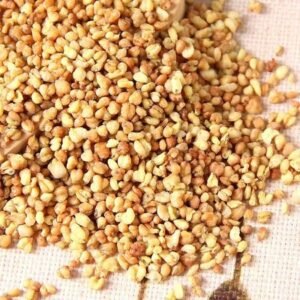
04 Brewing: The Simpler, the Better
Recommended Brewing Method
Amount: 1 tea bag per cup
Teaware: Glass cup / mug / gaiwan
Water temperature: 90–95°C (194–203°F)
Water amount: About 350–400 ml per bag
Steep: 5+ minutes (adjust to taste; longer steeping gives a stronger cup)
Re-steep: Refill 2–3 times (extend the steeping time slightly each round)
Other Ways to Brew (Optional)
Iced / chilled: Brew hot first for 3-5 minutes, let it cool, then add ice.
Cold brew: Add to cold water and refrigerate for 4+ hours.
Tip: Prefer a stronger taste? Use less water or a longer steep. Too strong? Add water to dilute.
05 One Grain, One Cup: Bringing Plateau Comfort Back to Daily Life
The charm of Nutty Tartary Buckwheat is its steadiness: not sweet, not overstimulating—just deeply aromatic, smooth, and easy to drink day after day. It’s a simple grain ritual that brings a bit of plateau warmth into modern life.
Ready to taste that golden grain aroma from the Tea-Horse Road?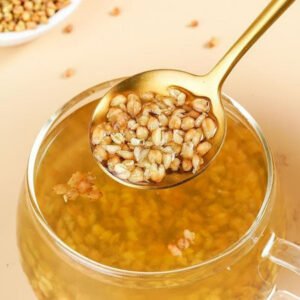
NOTE
This product is roasted tartary buckwheat kernels (a food ingredient), not seeds for planting. We do not make any medical claims. If you have a buckwheat allergy, please avoid consumption.