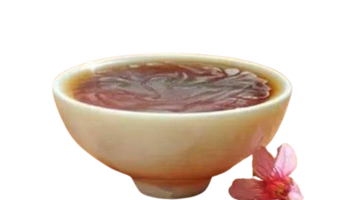
When you drink tea, you may sometimes notice a thin layer on the surface—or tiny “dust-like” particles floating in the liquor. In most cases, this doesn’t mean your tea is dirty. It’s usually a normal result of how tea components interact with water quality and air.
Before diving in, here are three quick ways to tell what you’re seeing:
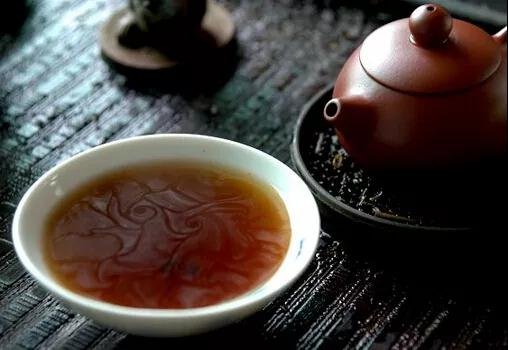
- A rainbow-like or brownish film that becomes more obvious as the tea cools, and cracks easily when touched → likely a tea surface film (not oil).
- Fine, hair-like particles that stay suspended and drift with the water → likely tea hairs (tea fuzz) from tender buds.
- Visible oil droplets that bead up, a slippery cup wall, rancid/moldy smells, or sticky stringy clumps → this is not what we discuss below; it’s safer to stop drinking and check the tea and the cleanliness of the cup.
To make it easier, use this table:
| Feature | Surface “Film” on Tea | Tiny Floating “Fuzz” in Tea |
|---|---|---|
| Look & feel | Often more noticeable after cooling. Can appear as a rainbow sheen or brownish film; may crack or break when lightly touched. | Fine fuzzy particles, white to pale gold, often drift with the flow; visible to the naked eye. |
| What it is | A thin layer formed by minerals (calcium/magnesium) + tea compounds at the surface (not fat/oil). | A physical plant structure: natural hairs from tender tea buds, often called tea hairs / tea fuzz. |
| Main causes | 1) Hard water (higher calcium/magnesium)2) More tea compounds in the liquor (more concentrated brews show it more)3) Exposure to air and cooling | Common in teas made from very tender buds/leaves; hairs naturally shed during processing and brewing. |
| Safety & taste | In most cases safe and harmless, usually doesn’t affect drinking; visibility depends on water and brewing conditions. | Safe to drink; more bud hair often comes with a finer texture and a distinctive “downy” aroma impression. |
01 The Mysterious “Tea Film”: A Subtle Interaction of Water + Tea
This surface film is not oil. It’s more like a thin layer that forms under certain conditions.
- The core idea: When water contains more calcium/magnesium minerals (hard water), and the tea liquor contains plenty of polyphenols and pigments, the combination—especially with exposure to air and gradual cooling—can form a visible film on the surface. This layer may contain mineral crystals (such as calcium carbonate) together with organic tea compounds. The exact composition varies depending on water type, tea concentration, temperature, and how long the tea sits.
- Three conditions that make it more likely:
- Water quality matters most: It’s often minimal with distilled or purified water, and more likely with tap water or hard water.
- Concentration matters: More leaf, longer steeping, or stronger tea tends to make it more visible.
- Air + cooling amplify it: As tea cools, some compounds aggregate more easily; contact with air can make the effect more noticeable.
Tip: The same tea can look very different depending on whether you brew it with filtered water, mineral water, or tap water.
02 The “Cute Little Hairs”: A Natural Signature of Tender Bud Tea
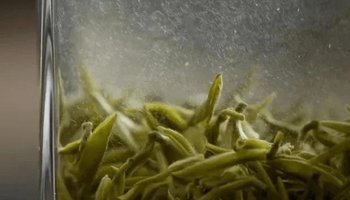
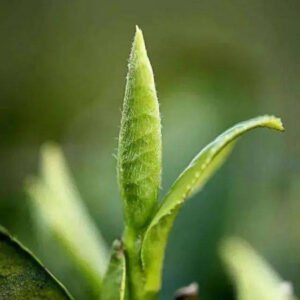
Those tiny “dust-like” particles are usually tea hairs (tea fuzz)—fine hairs that naturally grow on young tea buds and tender leaves.
- Not a contaminant—just a sign of tenderness: Teas known for very tender material—like Biluochun, Huangshan Maofeng, and Silver Needle—often show more visible fuzz. During brewing, these hairs can detach and float in the liquor.
- Why the color changes: Tea hairs are naturally pale. In green and white teas they often stay lighter; in more oxidized teas (like black tea), richer pigments can make them appear more golden.
- Cloudy-looking doesn’t mean “dirty”: When fuzz is abundant, early infusions may look less crystal-clear. This usually relates to leaf tenderness and brewing style, and often settles slightly with time.


03 Bonus: What About “Cloudiness After Cooling”?
Another common phenomenon is chill haze (often called tea cream). It can appear in some black teas and other more heavily transformed teas: as the tea cools, certain flavor compounds and caffeine-related components can form tiny aggregates that look cloudy. When warmed, the tea often clears again. This is typically normal.
04 Reassuring Guide for Tea Drinkers
- Stay calm: In most cases, both tea film and tea fuzz are safe and harmless. The film reflects water–tea interactions; the fuzz is a natural feature of tender-bud teas.
- Know what’s abnormal: If you see oil droplets beading, a slippery residue, a strong rancid/moldy smell, or sticky stringy clumps, stop drinking and check whether your cup had oil/cleaner residue, or whether the tea was stored improperly.
- Want less surface film? Try this:
- Use filtered/softer water
- Reduce air exposure (cover the cup, drink while warm)
- Brew a bit lighter (less leaf or shorter steeping)