
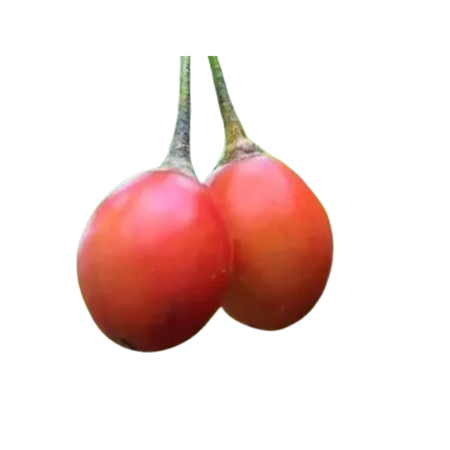
This isn’t the tomato you’ve seen in salads. It grows in the tropical rainforest of Xishuangbanna, Yunnan (southern China), hanging from branches in egg-shaped fruit. When ripe, it tastes bright and juicy with a layered tropical profile—many people find hints that feel reminiscent of pineapple and passionfruit.
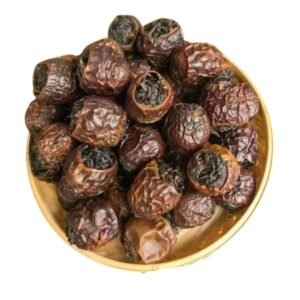
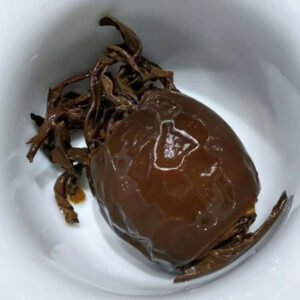
And what we make is not “fruit-flavored black tea.” We craft tamarillo into a true tea-fruit form: an intact tamarillo shell filled with Yunnan black tea. In hot water, fruit aroma and tea depth gradually merge into a cup that feels like a flavor adventure—this is Tamarillo Pods.
01 Rethink Tamarillo: A “Tomato” That Drinks Like a Tropical Fruit
First, an important reset: tamarillo is enjoyed as a fruit, not a vegetable.
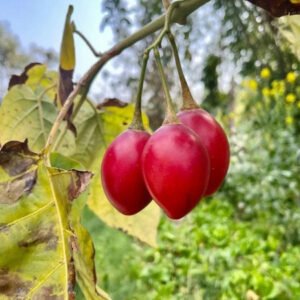
Its botanical name is Solanum betaceum, and internationally it’s best known as tamarillo (often called “tree tomato”). It belongs to the nightshade family, but it’s a different species from the common tomato. It grows on a woody plant, and the fruit often hangs in clusters like small lanterns.
- A surprising profile: Ripe tamarillo delivers a distinctly tropical feel—bright sweet-tart acidity, vivid aroma, and juicy texture.
- Not one-dimensional “tomato”: It carries a hint of tomato-like character, but the overall experience leans far more fruit-forward and exotic.
In one line: it’s called a “tomato,” but it tastes like a tropical fruit magician.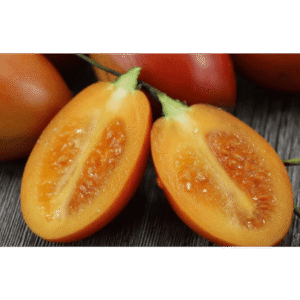
02 From Xishuangbanna’s Tropical Rainforest: Terroir and Everyday Food Wisdom
Xishuangbanna is one of China’s rare tropical rainforest regions. Warm temperatures, high humidity, abundant rainfall, and strong sunlight help fruits develop more expressive aroma and a cleaner, brighter sweet-tart character. Tamarillo grown here often feels fuller in fragrance and more lively in acidity.
In the local food culture, naturally sour ingredients are also widely used to “lift” flavors—blended into dipping sauces, dressings, and refreshing pairings. Tamarillo’s bright acidity and tropical aroma fit naturally into this way of eating: letting nature shape the taste.
This is not just a crop story—it’s rainforest terroir written into flavor.
03 Flavor Decode: Champagne-Like Brightness Meets the Warm Depth of Black Tea
When tamarillo meets black tea, the magic isn’t about one overpowering the other. It’s about balance: the fruit makes the tea feel more vivid, and the tea makes the fruit’s acidity more drinkable.
Our Tamarillo Pods are made with a more ceremonial, flavor-locking method: whole-fruit tea filling (a true tea-fruit form), rather than simply mixing dried fruit with tea leaves.
How the “whole-fruit filled tea” craft works
- Fruit preparation: Select tamarillos with consistent ripeness and size. Each fruit is hand-opened and cleaned; the pulp and seeds are removed while keeping the shell structure intact. Then it’s washed, dried, and hygienically treated.
- Tea filling: Yunnan black tea is carefully packed into the tamarillo shell so the tea sits close to the inner fruit wall.
- Low-temperature slow roasting & resting (the key): Extended gentle roasting and resting allow fruit aroma and tea sweetness to infuse into each other, smoothing sharper edges and rounding the cup.
What you’ll taste (a realistic, product-true profile)
- Dry aroma: tropical fruit tang layered over a sweet, malty black tea base.
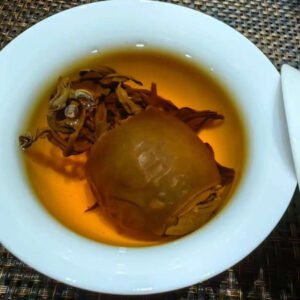
- Liquor: a brighter, more orange-red glow than typical black tea.
- On the palate: lively tropical acidity up front—clean and “champagne-like”—followed by the warm, honeyed depth of black tea that catches and balances it. The finish lingers with intertwined fruit fragrance and tea sweetness.

04 Brewing Guide: Bring Out the Tea-Fruit Integration
Because this is a whole-fruit filled tea, use a brewing style that draws out both fruit aroma and tea depth.
Recommended Brewing Method
Amount: 1 piece per cup
Teaware: Glass cup / glass teapot / gaiwan
Water temperature: 80–85°C (176–185°F) (best balance of vitamin C retention and taste; higher temperatures may reduce vitamin C)
Water amount: About 350–400 ml per piece
Steep: 3–5 minutes (adjust to taste; longer steeping gives a stronger cup)
Serving ideas: Optional—add a small amount of honey or sugar (start minimal so it doesn’t cover the tea). For iced tea, brew hot first to fully open the fruit, then chill and serve cold.
Other Ways to Brew (Optional)
Iced / chilled (optional): Tamarillo is naturally tangy—chilling can make the tart notes more pronounced. If you enjoy a brighter, tangier cup, feel free to try it. For a smoother, more balanced flavor, we recommend enjoying it hot (or add a touch of honey).
Cold brew (optional, for tangy lovers): Cold brewing can highlight the sour/tart notes. Try it if you like a sharper, tangier profile.
05 One Fruit, One Cup: Bringing the Rainforest into Modern Daily Life
This tamarillo black tea story is about discovery, integration, and innovation: the tropical fruit character of Xishuangbanna, local ways of appreciating natural acidity, and the global language of black tea—compressed into one small tea-fruit pod.
You don’t need to be a tea expert, and you won’t get an artificial “perfume fruit tea.” Just drop one pod into a cup—and taste a rainforest-bright fruit note carried by a steady black tea base.
Ready to begin this tropical rainforest flavor journey?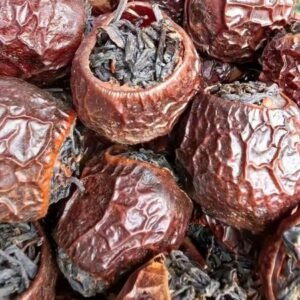
Note
This product is a tea-and-dried-fruit ingredient (not seeds) and is not intended for planting. We do not make any medical claims. If you are pregnant or breastfeeding, taking medication, or have a medical condition, please consult a healthcare professional before use. If you are sensitive to acidity or have a sensitive stomach, start with a smaller amount and a lighter brew.