
From Bingdao and Lao Banzhang to Xiaoqinggan and “How Many Infusions?”
When you first explore Chinese tea, the confusing part often isn’t brewing—it’s the names. “Bingdao tea” isn’t from the Nordic country Iceland. “Lao Banzhang” sounds like a brand, but it’s actually a place name. And “Xiaoqinggan” looks like a snack—yet it’s a specific tea-making style.
Most Chinese tea terms aren’t random. They usually tell you three things: where it comes from, how it’s made, and what it tastes/feels like.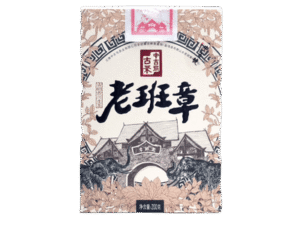
01|One Key Idea: Most Tea Names Point to Three Clues
Chinese tea names commonly come from:
- Named after a place — origin / mountain / village (think wine regions & terroir)
- Named after form or processing — what it looks like, or how it’s made
- Named after tasting vocabulary — how it feels in the mouth and after you swallow
Once you learn which category a term belongs to, Chinese tea labels become much easier to read.
02|Named After Places: Why Pu-erh Has So Many “Location Names”
In the Pu-erh world, origin matters a lot—so you’ll see many teas named after mountains, towns, or villages in Yunnan. These names often work like “regional style labels,” not brand names.
Here are a few well-known examples (just to establish what they are):
| Term | Core identity | Quick meaning |
|---|---|---|
| Bingdao (冰岛, Bīngdǎo) — Pu-erh origin name | A famous Yunnan producing area / village name | A place name, often associated with a sweeter, cleaner, more delicate profile |
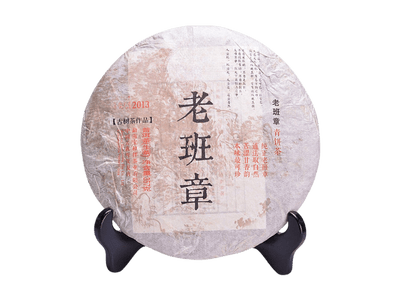
| Lao Banzhang (老班章, Lǎo bān zhāng) — Pu-erh origin name | A famous village area in Bulang Mountain (Menghai) | A place name, often linked with a powerful structure and strong aftertaste |
| Yiwu (易武, Yìwǔ) — regional style | A well-known origin system | Often used to suggest a softer, more layered direction |
| Xigui (昔归, Xīguī) — origin name | A famous origin name | Often described as aromatic with a distinctive liquor texture |
| Jingmai (景迈, Jǐngmài) — origin name | A famous origin area | Commonly associated with floral, clean, “mountain” character |
Important for overseas readers:
These are usually not brands. They’re closer to origin labels. Two teas using the same origin name can still taste very different depending on year, material grade, processing, and storage.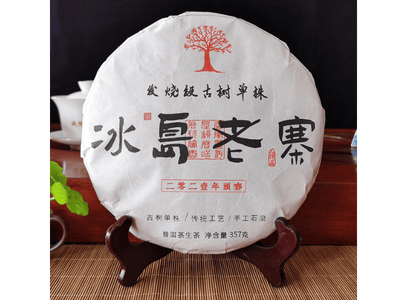
03|Named After Form or Processing: What “Xiaoqinggan,” “Bing,” and “Tuo” Mean
These terms are often the most straightforward—they describe how the tea is made or what shape it takes.
Xiaoqinggan (小青柑, Xiǎo qīng gān) — Citrus-stuffed Pu-erh
What it is: A crafted tea style where Pu-erh (often ripe Pu-erh) is packed into a small green mandarin peel and dried.
How to read it: “Xiaoqinggan” usually points to a processing/form (citrus peel + Pu-erh), not a mountain origin.
Common flavor cue: bright citrus aroma layered over a mellow Pu-erh base.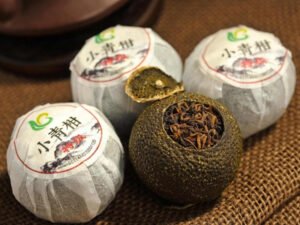
Bing / Zhuan / Tuo — Compressed tea shapes
These are forms, not tea categories:
- Bing (饼, bǐng) — cake / disk
- Zhuan (砖, zhuān) — brick
- Tuo (沱, tuó) — bowl/nest shape
Compressed tea is common in Pu-erh (and some dark teas), often for storage, transport, and long-term flavor evolution.
Other form/process terms you may see
- Sancha (散茶, sǎn chá) — loose-leaf
- Longzhu / Xiaotuo (龙珠/小沱) — single-serve compressed pieces
- Gongting (宫廷, gōng tíng) — fine-grade ripe Pu-erh (common usage varies)
- Lao Chatou (老茶头, lǎo chá tóu) — ripe Pu-erh clumps from fermentation piles
- Huangpian (黄片, huáng piàn) — larger, more mature leaf pieces (sorted grade)
These are widely used market terms—helpful, but not always “one strict universal definition.”
04|Brewing Jargon: “How Many Infusions?” and What “Nai Pao” Means
If you see Chinese tea notes saying “very nai pao” or “still sweet after 10+ infusions,” it’s simply describing how well a tea holds up across multiple brews.
- Duōshǎo pào / jǐ pào / jǐ dào (多少泡 / 几泡 / 几道) — how many infusions
- Tóu pào (头泡) — first infusion (then second, third, etc.)
- Nài pào (耐泡) — infusion endurance (how long it stays enjoyable across brews)
- Tea-to-water ratio (茶水比) — strength & extraction control
- Kuài chū tāng (快出汤) — quick pour (short steeps, common in gongfu brewing)
- Xǐng chá / rùn chá (醒茶/润茶) — wake/rinse the tea (a brief step to help leaves open; practices vary)
A simple translation for beginners:
“How many infusions” = how many rounds it can brew well.
“Nai pao” = how long it keeps tasting good across those rounds.
05|Tasting Vocabulary: Hui Gan, Sheng Jin, Hou Yun… What Do They Describe?
These terms sound poetic, but they’re simply describing where and when you feel the tea—especially after swallowing.
- Huí gān (回甘) — returning sweetness (sweetness that comes back after bitterness/astringency)
- Shēng jīn (生津) — salivation (your mouth “wets” after you drink)
- Hóu yùn (喉韵) — throat feel / lingering resonance
- Guà bēi xiāng (挂杯香) — lingering cup aroma (aroma left on the cup)
- Tāng gǎn / shuǐ lù (汤感/水路) — liquor texture & “mouthfeel path” (thick/thin, smooth/rough, fine/coarse)
- Kǔ dǐ / sè gǎn (苦底/涩感) — bitterness base / astringency (and how fast it transforms)
- Xiāng gāo / xiāng yáng (香高/香扬) — high, lifted aroma
These words work best as a flavor dictionary—they help communicate experience, not health effects.
06|More Common Terms You’ll See (Especially in Pu-erh & Dark Tea)
Here are a few more “tea-world words” that often show up on labels or in tasting notes:
- Máo chá (毛茶) — base material after initial processing
- Pīn pèi (拼配) — blending (to achieve a target flavor/profile)
- Chún liào / dān yī chǎn qū (纯料/单一产区) — single-origin style (usage varies)
- Chūn chá / qiū chá (春茶/秋茶) — spring tea / autumn tea
- Gān cāng / shī cāng (干仓/湿仓) — dry storage / humid storage (storage environment strongly affects flavor)
- Chén huà (陈化) — aging / maturation (slow flavor evolution over time)
- Gǔ shù / qiáo mù / tái dì (古树/乔木/台地) — tree/material descriptors (market usage varies)