
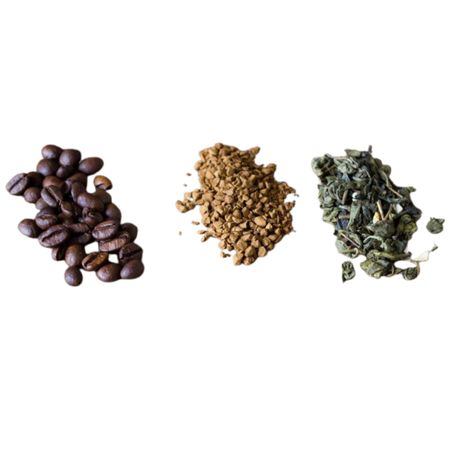
Many people have had this experience: a cup of tea in the afternoon—or especially in the evening—makes you feel more alert, but later at night you may find it harder to fall asleep. In most cases, this isn’t “mysterious body chemistry.” It’s the result of caffeine interacting with your brain’s natural “sleepiness signals,” plus differences in metabolism and how you brew your tea.
01 | The Core Reason: Caffeine Blocks the Brain’s “Sleepiness Signal”
Your brain has a natural system related to “sleep pressure.” The longer you stay awake, the stronger certain signals become—one key player is adenosine, which helps tell your body it’s time to rest. Caffeine works mainly by blocking adenosine receptors, so your brain receives less of that “I’m tired” message. As a result, you feel more awake and alert.
A practical detail matters here: caffeine doesn’t disappear quickly. In healthy adults, the average caffeine half-life is often around 5 hours, and it can vary widely from person to person.
02 | Why Some People Sleep Fine After Tea at Night, While Others Can’t
Not everyone reacts to tea the same way. Common reasons include:
- Different metabolism speeds: Caffeine is primarily processed in the liver. Genetics, age, body size, pregnancy status, smoking, and some medications can all affect how long caffeine stays active in your body.
- Different sensitivity levels: Some people are more sensitive to caffeine. Even small amounts can lead to difficulty falling asleep, lighter sleep, or waking more easily.
- Dose and timing: The same drink can feel very different depending on how strong it is and how close it is to bedtime.
03 | Tea Has Two Sides: Not Only Caffeine, But Also L-Theanine
Tea (from Camellia sinensis) contains more than caffeine. It also contains L-theanine, an amino acid often associated with a calm, relaxed feeling without drowsiness. Some research suggests L-theanine may help soften the “over-stimulated” edge that caffeine can cause—especially when the two are consumed together.
That said, whether tea affects your sleep still depends mainly on your total caffeine intake, your personal metabolism, and how close to bedtime you drink it.
04 | Why “The Same Tea” Can Feel Very Different
It’s easy to assume black tea or oolong is always “stronger,” and green or white tea is always “lighter.” In reality, the amount of caffeine in your cup depends heavily on leaf tenderness, how much tea you use, steeping time, and water temperature.
Here are a few beginner-friendly truths:
- More tender leaves, a stronger tea-to-water ratio, and longer steeping generally extract more caffeine.
- Matcha often feels stronger because you consume the whole leaf powder.
- A quick rinse doesn’t remove caffeine completely. Caffeine extraction changes over time and can continue across multiple infusions.
05 | How to Enjoy Tea Without Sacrificing Sleep
If you’re caffeine-sensitive, these approaches are usually more effective than “trying to tolerate it”:
- Keep caffeinated tea earlier in the day: Many people simply move their last cup earlier—how many hours you need depends on your body.
- Brew lighter in the evening: Use less leaf, shorten steeping time, and avoid long, covered “soaks.”
- Consider decaf tea: If you want true tea flavor but less caffeine, decaf can be a practical compromise.
- Choose naturally caffeine-free herbal tea: Most herbal teas are naturally caffeine-free. (Just note that some botanical “herbal teas” like yerba mate, guayusa, yaupon, or guarana are naturally caffeinated.)